
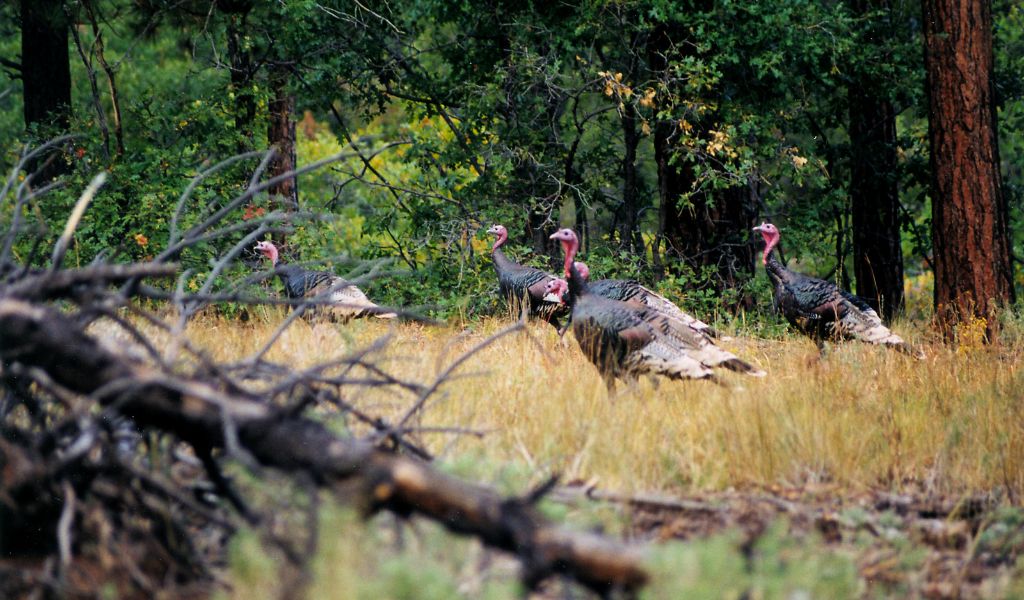
Spring turkey hunting in South Dakota offers one of the most exciting and interactive hunting experiences of the year. With strong populations of Merriam’s turkeys in the west and Eastern turkeys in the eastern parts of the state, hunters have excellent opportunities across a variety of terrain including river bottoms, shelterbelts, and prairie edges.
In South Dakota, spring turkey season typically runs from mid-April through the end of May, depending on the unit and license type. This period aligns with peak breeding activity, making gobblers more vocal and responsive.
Understand Spring Turkey Behavior
During spring, gobblers are focused on breeding and are actively searching for hens. This makes them:
- More vocal, especially at daylight
- Responsive to calls
- Territorial toward other gobblers
However, hunting pressure can make birds cautious, so adapting your approach is key.
Start Early and Hunt the Morning
The most productive time to hunt is early morning, when gobblers are on the roost and begin calling.
Morning Strategy:
- Locate birds before sunrise
- Set up close to roosting areas
- Use soft tree yelps or clucks early
- Be ready for action shortly after fly-down
Getting into position before first light gives you a major advantage.
Midday Can Be Highly Productive
Many hunters leave the field too early, but in South Dakota:
- Gobblers often become more responsive late morning
- Hens leave toms, making them easier to call in
- Hunting pressure decreases
Staying in the field longer can significantly increase your chances.
Use Realistic Calling Techniques
Calling is one of the most important skills in spring turkey hunting.
Effective Calls:
- Yelp
- Cluck
- Purr
Calling should match the bird’s mood. Some gobblers respond to aggressive calling, while pressured birds often require a softer, more subtle approach.
If a gobbler is responding but not committing:
- Reduce calling frequency
- Let the bird come looking for you
Decoy Setup Tips
Decoys can help bring a gobbler into range, especially in more open terrain.
Recommended Setups:
- Single hen decoy for a natural approach
- Hen and jake combination to trigger dominance
Place decoys within shooting range and position them so the bird approaches facing you.
Positioning and Setup
Good positioning is critical.
- Set up with a tree, brush, or terrain behind you
- Keep movement to a minimum
- Use natural cover to break your outline
Turkeys rely heavily on eyesight, so staying still is essential.
Weather and Turkey Activity
Spring weather in South Dakota can vary, but it plays an important role in hunting success.
- Calm, clear mornings produce strong gobbling activity
- Wind often reduces gobbling but not movement
- Turkeys may seek sheltered areas during windy conditions
- Light rain may slow activity, but birds will still feed
Adjust your strategy based on conditions rather than skipping a hunt.
Archery vs Shotgun in Spring
Both methods are effective but require different approaches.
Shotgun Hunting:
- More forgiving at close range
- Ideal for most hunters
Archery Hunting:
- Requires tighter setups
- Best from blinds or well-covered positions
Archery hunters benefit greatly from decoy setups and controlled movement.
Final Thoughts
Spring turkey hunting in South Dakota is all about timing, patience, and adapting to bird behavior. By focusing on early morning setups, staying in the field longer, and adjusting your calling techniques, you can significantly improve your chances of success.
With active gobblers and diverse terrain, it remains one of the most rewarding hunting experiences in the state.