
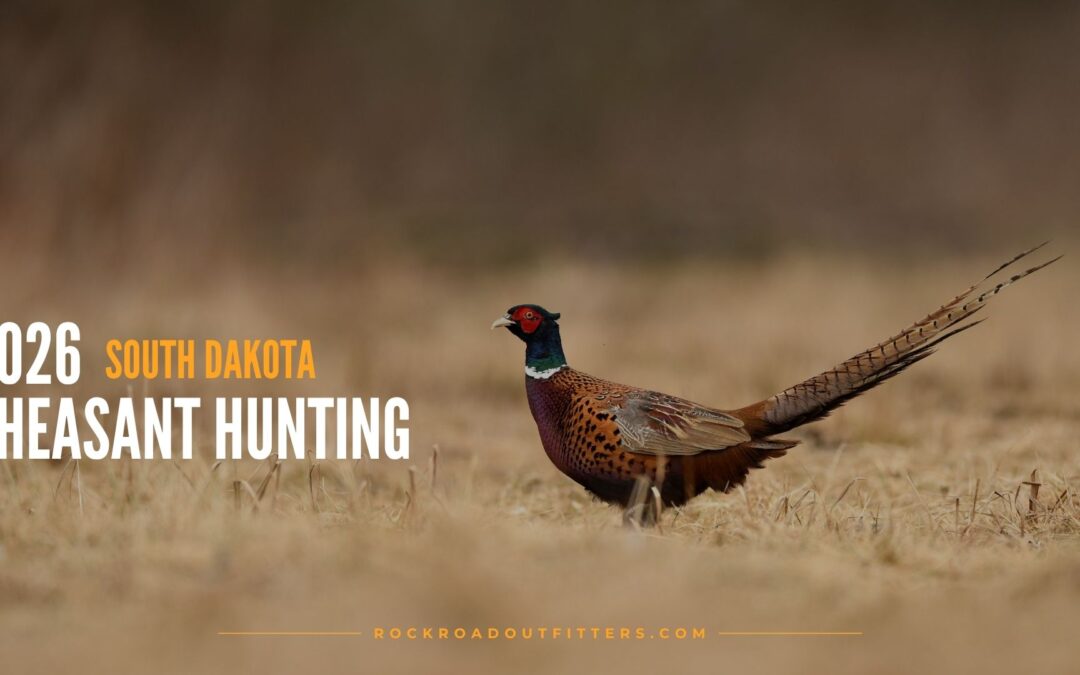
Few hunting traditions are as closely associated with South Dakota as pheasant hunting. Every fall, hunters travel from across the country to experience the state’s combination of agricultural fields, grasslands, wetlands, shelterbelts, and other upland habitat in pursuit of ring-necked pheasants.
The 2026 regular pheasant season opens October 17 and runs through January 31, 2027. Before that, South Dakota has a youth-only season and a resident-only season, giving hunters several opportunities to get into the field before the regular statewide opener.
For hunters planning a trip this fall, preparation, access, weather, habitat, and a good hunting strategy can all play an important role.
When Does the 2026 Pheasant Season Open?
The 2026 South Dakota pheasant seasons are:
| Season | 2026 Dates |
| Youth Only | September 26 to October 4 |
| Resident Only | October 10 to October 12 |
| Regular Pheasant Season | October 17 to January 31, 2027 |
The regular pheasant season is open to both residents and nonresidents, subject to the applicable licensing requirements.
The regular season provides a long hunting window, but conditions can change dramatically between the October opener and the end of January.
Why South Dakota Is Known for Pheasant Hunting
South Dakota has long been recognized as a premier pheasant hunting destination.
The state’s agricultural landscape provides a mixture of food and cover that can support pheasant populations. Hunters can encounter birds around:
- Agricultural fields
- Grasslands
- Shelterbelts
- Wetlands
- Brush
- Field edges
- Public wildlife areas
The most productive areas are not necessarily the largest fields. Pheasants benefit from a combination of suitable food sources and cover, so areas where different habitat types meet can be particularly interesting.
Understanding South Dakota Pheasant Habitat
Pheasant habitat can vary considerably across South Dakota.
Agricultural Land
Agricultural areas can provide important food sources, particularly around grain-producing areas and harvested fields.
Grasslands
Grassland provides cover and can be an important part of the landscape surrounding agricultural areas.
Shelterbelts and Brush
Tree rows, brush, and other dense vegetation can provide cover, particularly when birds are pressured.
Wetlands
Cattails and other dense vegetation can provide secure cover and become increasingly important as the season progresses.
Field Edges
Transitions between crops, grass, brush, and other cover are worth investigating because pheasants often use several habitat types within their daily movements.
The South Dakota Public Hunting Atlas can help hunters identify public hunting opportunities and access areas before arriving in the field.
Hunting Pheasants With Dogs

A trained hunting dog can be one of the most valuable tools during a South Dakota pheasant hunt.
Dogs can help hunters:
- Locate birds
- Detect scent
- Work heavy cover
- Track wounded birds
- Retrieve harvested pheasants
A good dog can be especially useful when pheasants move into thick vegetation or run ahead of hunters rather than flushing immediately.
For guided hunts, professional outfitters may also provide experienced dogs as part of the hunting experience.
Opening Weekend Pheasant Hunting
Opening weekend is traditionally one of the busiest periods of the South Dakota hunting calendar.
Hunters should expect more activity on popular properties and public hunting areas.
Early in the season, vegetation can still be relatively thick, and birds may have experienced limited hunting pressure. As more hunters enter the field, pheasants can change their behavior and become more difficult to approach.
This makes it important to adapt throughout the season rather than relying on exactly the same strategy every time you hunt.
How Hunting Pressure Changes the Hunt
Pheasants can become increasingly wary as the season progresses.
Hunters may notice birds:
- Running rather than flushing
- Flushing farther ahead
- Moving into thicker cover
- Leaving heavily hunted fields
- Concentrating in areas with less disturbance
This is one reason why having access to multiple properties or hunting areas can be valuable.
If a particular field has received heavy pressure, moving to a different area may produce better results than repeatedly hunting the same location.
Where to Look for Pheasants
When scouting a new area, look for places where food and cover are relatively close together.
Potential areas include:
Harvested Fields
These can provide feeding opportunities, particularly when grain remains available.
Grass and Upland Cover
Dense grass can provide secure cover and may hold birds throughout the season.
Shelterbelts
Tree and brush lines can provide protection and cover.
Wetland Edges
Cattails and dense vegetation can become particularly important later in the season.
Field Transitions
Pay attention to areas where crops meet grass, brush, wetlands, or other cover.
The goal is not simply to find pheasants in open fields. Instead, look at how birds can move between food and protective cover.
Later-Season Pheasant Hunting
One of the advantages of the South Dakota pheasant season is its length.
The regular season continues through January 31, allowing hunters to experience very different conditions throughout the season.
By December and January, hunting pressure, vegetation, food availability, and weather can all influence pheasant behavior.
Cold weather may push birds toward sheltered cover, while snow can alter movement and make some areas more attractive than others.
Late-season hunting can therefore require a different approach from opening weekend.
South Dakota Pheasant Hunting Weather
October can bring relatively mild fall conditions, while December and January can bring significantly colder weather.
Hunters may encounter:
- Cool mornings
- Mild afternoons
- Strong winds
- Rain
- Snow
- Freezing temperatures
Proper clothing becomes increasingly important as the season progresses.
Layering allows hunters to adjust to changing temperatures while walking fields, and waterproof footwear can be particularly useful when hunting wet or snowy conditions.
2026 Pheasant Hunting License Requirements
South Dakota’s current regulations list several licenses that allow residents to hunt pheasants, including:
- Resident Small Game License
- Resident Combination License
- Resident Youth Small Game License
- Resident Mentored Youth Small Game License
- Resident 1-Day Small Game License
- Certain qualifying combination licenses
Nonresidents can hunt pheasants with a Nonresident Small Game License, which provides two five-day hunting periods. The applicable dates must be identified when the license is issued. Additional licenses can be purchased for additional hunting periods.
Hunters should check the current license requirements before traveling, particularly if they are combining pheasant hunting with other South Dakota hunting activities.
Pheasant Bag and Possession Limits
For the regular pheasant season, the current South Dakota regulations specify:
Daily limit: 3 rooster pheasants
Possession limit: 15 rooster pheasants
The possession limit accrues at three birds per day, meaning a hunter cannot possess the full 15-bird limit immediately. The full possession limit can be reached after five days of hunting at the daily limit.
Hunters should also remember that regulations can differ for special seasons, so the current rules should always be checked before hunting.
Pheasant Hunting Shooting Hours
For the regular pheasant season, shooting hours are:
10 a.m. Central Time until sunset.
South Dakota uses Central Time for the statewide opening shooting hour.
This is particularly important for nonresident hunters traveling from other time zones.
Preparing for a South Dakota Pheasant Hunt
A successful pheasant hunt begins with preparation.
Shotgun and Ammunition
Use a shotgun and ammunition combination that you are comfortable with and pattern your shotgun before the season.
Boots
Pheasant hunting can involve considerable walking through grass, fields, brush, and uneven terrain. Comfortable, durable footwear is important.
Clothing
Dress in layers so you can adapt to changing temperatures.
Eye and Hearing Protection
Appropriate eye and hearing protection should be part of every firearm hunt.
Hunting Vest
An upland vest provides convenient storage for ammunition and harvested birds.
Water
Bring enough water for both yourself and your dog when hunting with a canine.
Hunting With a Professional Outfitter
For hunters traveling from outside South Dakota, a guided pheasant hunt can provide several advantages.
An experienced outfitter can offer:
- Access to hunting properties
- Knowledge of local habitat
- Experienced hunting dogs
- Knowledge of pheasant behavior
- Assistance locating and recovering birds
- Guidance throughout the hunt
This can be particularly valuable for hunters who are unfamiliar with South Dakota and don’t have established access to private hunting land.
What to Expect on a Guided Pheasant Hunt
A typical guided pheasant hunt involves working through suitable cover while trained dogs search for birds.
The pace can change quickly.
Hunters may spend several minutes walking quietly through grass or field edges before a rooster suddenly flushes from cover.
Safe firearm handling and awareness of other hunters are therefore extremely important, particularly when hunting in a group.
The experience is about more than simply filling a limit. Working with a trained dog, walking South Dakota’s uplands, and sharing the hunt with friends or family are all part of the appeal.
Planning Your 2026 Pheasant Hunt
With the regular season opening October 17, 2026, hunters have plenty of time to prepare.
Before traveling to South Dakota, consider:
- Confirming your hunting license
- Reviewing the current regulations
- Patterning your shotgun
- Preparing suitable clothing
- Checking your hunting equipment
- Arranging accommodation and transportation
- Confirming hunting access
- Preparing your dog or arranging a guided hunt
South Dakota Game, Fish and Parks also conducts annual pheasant brood surveys, which provide information about pheasant production and population conditions. These surveys can be useful when evaluating the outlook for the upcoming season.
Experience South Dakota Pheasant Hunting
South Dakota pheasant hunting is about more than harvesting birds.
It is the anticipation of a rooster flushing from cover, the sound of a dog working through the grass, walking through the prairie on a crisp fall morning, and sharing the field with other hunters.
The 2026 regular pheasant season runs from October 17, 2026 through January 31, 2027, providing a long window to experience one of South Dakota’s most established hunting traditions.
For hunters looking for a classic upland bird hunting experience, South Dakota offers an appealing combination of pheasant habitat, public and private hunting opportunities, trained hunting dogs, and experienced outfitters.
Before heading into the field, hunters should always confirm the latest season dates, license requirements, shooting hours, bag limits, and area restrictions with South Dakota Game, Fish and Parks.