
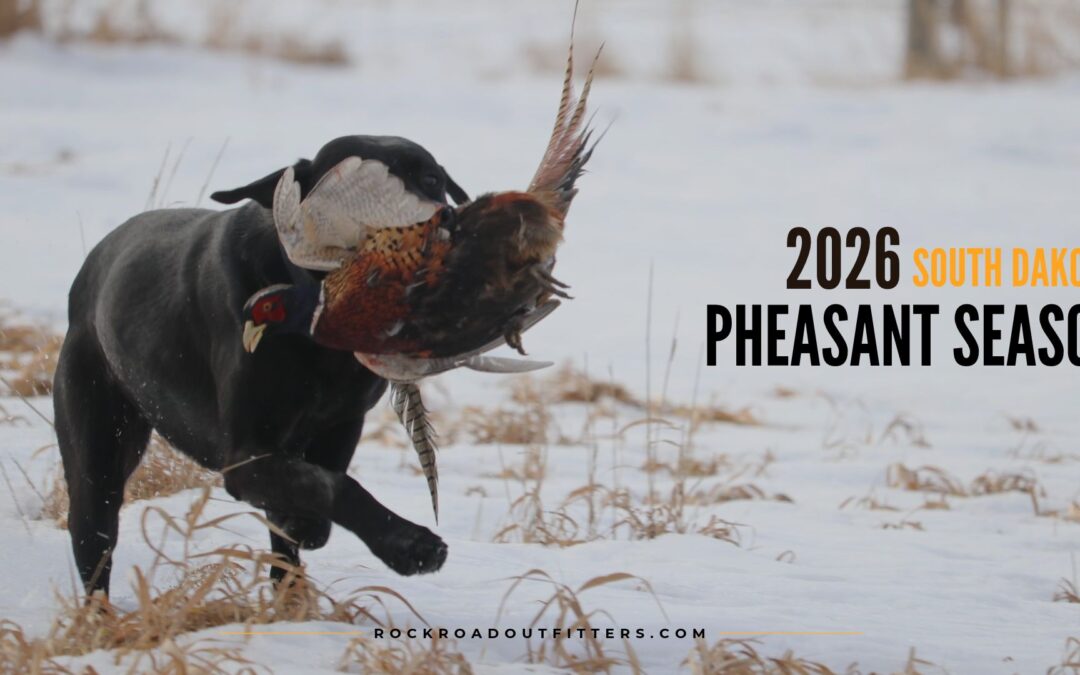
As South Dakota’s pheasant season approaches, hunters are beginning to think about more than just opening day. Where birds are holding, how the fields look, recent weather and the amount of available cover can all influence what a day in the field looks like.
Rock Road Outfitters offers guided pheasant hunting in South Dakota, giving hunters the opportunity to experience the state’s upland bird tradition while hunting private properties with local knowledge of the area.
When Does the 2026 Pheasant Season Begin?
South Dakota’s 2026 pheasant season has several opening periods:
| Season | 2026 Dates |
| Youth Only | September 26 to October 4 |
| Resident Only | October 10 to October 12 |
| Traditional Season | October 17, 2026 to January 31, 2027 |
| The traditional season opens at 10 a.m. Central Time and runs through sunset. The daily limit is three rooster pheasants, with a possession limit of 15. |
Habitat and Pheasant Hunting
Pheasants benefit from landscapes where different types of cover are close together, providing places for nesting, feeding, brood rearing and protection.
South Dakota pheasant habitat can include:
- Grasslands
- Crop fields
- Weedy areas
- Hay fields
- Wetland edges
- Shelterbelts
- Field borders
The combination of agricultural land and undisturbed grassland is particularly important. The areas connecting food sources with suitable cover can also influence where birds spend time.
How Weather Affects Pheasant Hunting
Weather can influence pheasant populations throughout the year, while conditions during the hunting season can affect how birds use available cover.
GFP identifies snowfall, spring temperatures and spring rainfall as important factors affecting pheasant reproduction. By October, hunters are dealing with a different set of conditions, including temperature, wind, rain and field conditions.
Cold or windy weather can affect where birds seek shelter, while warmer conditions may change how they use cover during the day. Recent rainfall can also affect walking conditions and the way hunters and dogs work through fields.
There is no single weather pattern that guarantees a productive hunt, but paying attention to recent conditions can help hunters prepare for what they may encounter.
Understanding the Hunting Property
A pheasant property can look very different from one year or season to the next. Crops may have been harvested, cover can change and weather can influence where birds spend their time.
Rather than looking at individual fields in isolation, hunters should consider how food and cover are connected across the property. Areas where crop fields meet grassland, wetlands, shelterbelts or dense vegetation can provide a variety of habitat within a relatively small area.
For guided hunters, local knowledge of the property can help determine which areas are worth concentrating on during the hunt.
Adapting to Conditions in the Field
Pheasant hunting requires hunters to adapt to what they encounter on the day. Dense cover can make birds more difficult to locate but can also provide important escape habitat. Open fields may allow hunters and dogs to cover more ground, while thicker vegetation may require a slower approach.
Birds can also react differently depending on the amount of hunting pressure and the conditions on the property. This is why a good pheasant hunt is not simply a matter of walking from one end of a field to the other.
Reading the terrain, watching how dogs work the cover and adjusting your approach are all part of the experience.
Early Season vs. Later Season Conditions
South Dakota’s pheasant season runs from October through January, meaning hunting conditions can change considerably as the season progresses.
Early-season hunts can involve relatively mild temperatures and standing cover. Later in the season, colder weather, snow and changes to agricultural fields can alter how birds use the available habitat.
Fields that were standing early in the season may have been harvested later, potentially changing where birds find food and cover.
As a result, the same property can hunt differently in October than it does later in the season.
Preparing for a South Dakota Pheasant Hunt
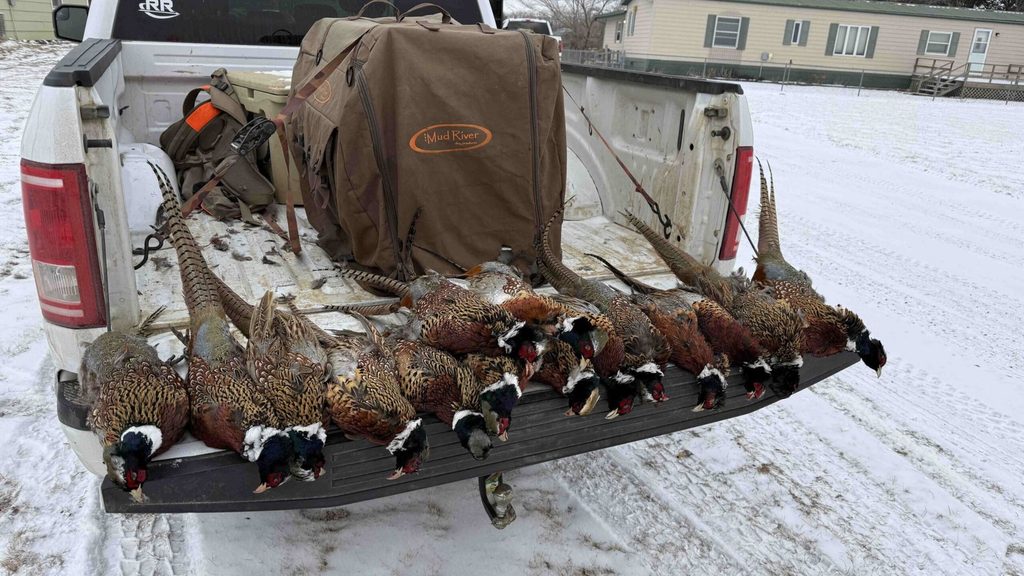
Hunters should arrive prepared to spend several hours walking and should have clothing suitable for changing fall weather.
Consider bringing:
- Comfortable hunting boots
- Layered clothing
- Waterproof or wind-resistant outerwear
- Gloves and a warm hat
- Eye and hearing protection
- Shotgun and appropriate ammunition
- Hunting license
- Blaze orange clothing
- Water and snacks
- Small daypack
Hunters should also review the current South Dakota regulations before travelling, particularly if they have not hunted the state before.
Check the Current Pheasant Outlook
South Dakota Game, Fish and Parks publishes an annual Upland Outlook with information about pheasant and other upland bird conditions. GFP also conducts its annual pheasant brood route survey in early August, with results generally available later in August.
The statewide outlook provides useful context, but conditions can vary from one property to another. Local weather, farming practices, available cover and habitat conditions can all influence where birds are found.
For hunters booking a guided hunt with Rock Road Outfitters, local knowledge of the hunting properties provides another source of information when determining how to approach the hunt.
Preparing for Your Rock Road Pheasant Hunt
For hunters joining Rock Road Outfitters, the most important preparation is arriving ready for a full day in the field and being prepared to adapt to the conditions.
Weather, cover and bird movement can all influence how a hunt develops. Hunters should be prepared to follow their guide’s direction and adjust their approach as conditions change.
That flexibility is part of what makes South Dakota pheasant hunting such an enjoyable experience.
Getting Ready for Pheasant Season
With the 2026 traditional pheasant season opening on October 17, now is the time to check your equipment, review the current regulations and prepare for the conditions you may encounter.
Understanding the relationship between habitat, weather and cover gives hunters a better idea of what to expect when they arrive in South Dakota. Once you are in the field, adapting to the conditions and working the available cover becomes part of the hunt.
For hunters travelling to South Dakota with Rock Road Outfitters, the preparation can then give way to what matters most: getting into the field and experiencing a South Dakota pheasant hunt.